

In the world of golf, equipment decisions can spark intense debates among players and enthusiasts alike, and the topic of TaylorMade Nubbins putter legality is no exception. As with any innovation that challenges the status quo, questions surrounding its compliance with the rules of the game have stirred controversy and divided opinions. In this article, we’ll delve into the intricacies of this putter’s design, the regulations that govern it, and the implications for both amateur and professional golfers. Join us as we unravel the mystery behind the TaylorMade Nubbins and explore what it means for the future of golfing equipment.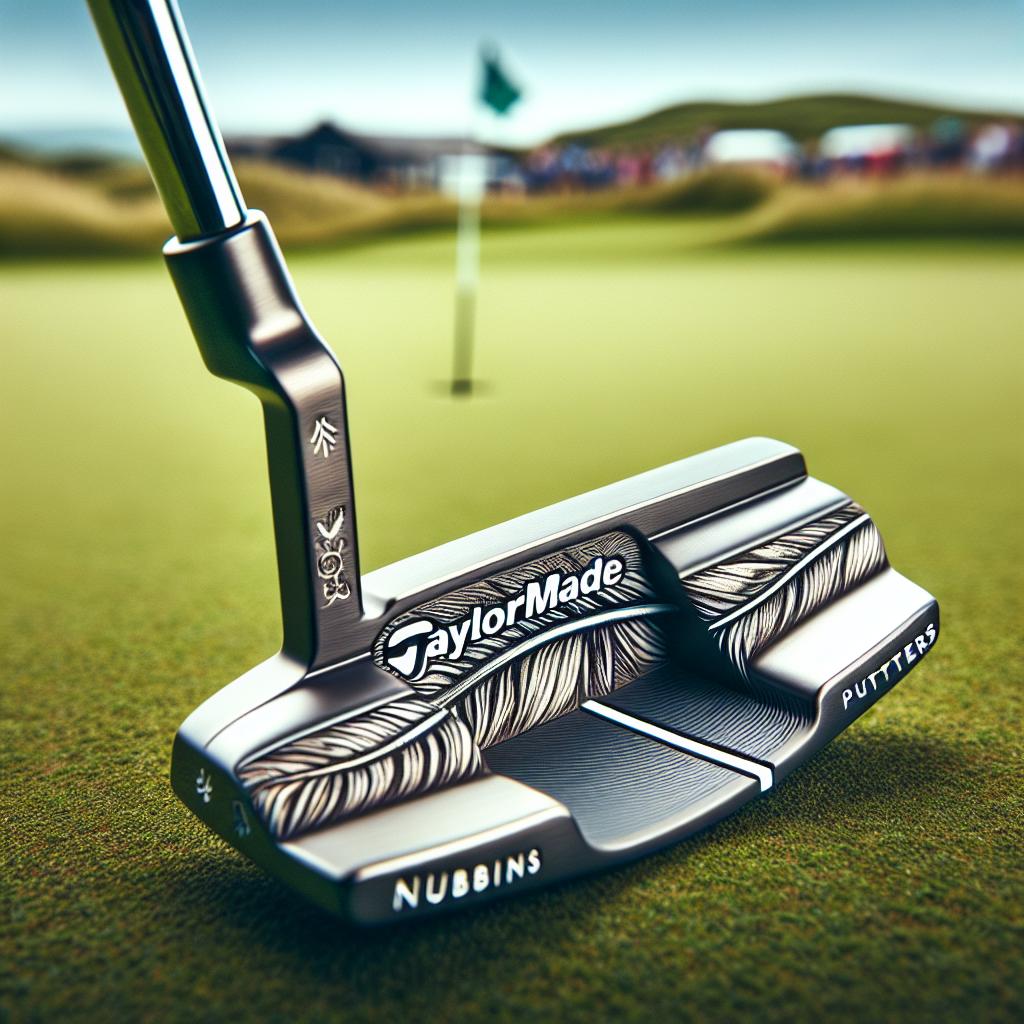
Contents
- Understanding TaylorMade Nubbins Putters
- The Legal Debate Surrounding Nubbins
- Are TaylorMade Nubbins Putters Legal?
- What the Rules Say About Equipment
- Expert Opinions on Putter Legality
- Exploring Player Experiences with Nubbins
- Impact on Competitive Golf and Rankings
- Future of Innovation in Golf Equipment
- Faq
- What is the TaylorMade Nubbins putter, and why is it controversial?
- What are the specific rules governing putter design, and how do they relate to the Nubbins putter?
- Have there been any official rulings or statements regarding the legality of the TaylorMade Nubbins putter?
- What do professional golfers think about the TaylorMade Nubbins putter?
- What impact has the Nubbins putter controversy had on the golf equipment industry?
- How can golfers determine whether their equipment is legal for play?
- Key Takeaways
Understanding TaylorMade Nubbins Putters
The TaylorMade Nubbins putters have generated considerable buzz in the golfing community, partially because of their unique design and performance features. These putters are recognized for their distinct nubby appearance, which is said to enhance feel and control during putting. But as many golfers have discovered, there’s more under that quirky hood than just a remarkable look. The controversy surrounding their legality boils down to a blend of innovative technology and the rules governing equipment used in professional golf.
### Design and Functionality
The standout feature of TaylorMade Nubbins putters is undoubtedly their nubbins—small raised protrusions on the face of the putter. These nubbins are believed to create a tactile feedback that many golfers find beneficial, especially on fast greens where precision is paramount. Players have reported that these putters can help improve their stroke consistency and overall confidence when lining up that critical putt. And who wouldn’t want a little extra boost on the 18th hole?
However, the unconventional design raises questions. Critics argue that the nubbins may offer players an unfair advantage, straddling the line between innovation and potential rule violation. It’s akin to claiming your golf shoes are magically faster because they have an extra grip; both the shoe and the putter need scrutiny to see if they are pushing the boundaries of what is acceptable on the course.
### The Legal Battleground
The legality of the Nubbins putters has resulted in heated debates among players, manufacturers, and regulators. While certain golfers swear by their performance, others are concerned that their unique mechanics could contravene established rules. The USGA (United States Golf Association), which governs the equipment’s legality, has been evaluating these putters to determine whether they meet the regulatory standards.
To visualize the current status of the TaylorMade Nubbins putters, consider this simple table:
| Feature | Status |
|---|---|
| Nubbins Design | Under Review |
| Player Feedback | Mostly Positive |
| USGA Legal Status | Pending Decision |
The ongoing discussions surrounding the legality of these putters invite insights into broader questions about the intersection of innovation and tradition in golf. As with many things in life, it’s all about balance. The thrill of new technologies should not compromise the integrity of the game—or at least, that’s the hope. So, while you might find yourself enamored with the nubbins, keep a watchful eye on any updates from governing bodies before you bring them onto the course.
The Legal Debate Surrounding Nubbins
The controversy surrounding the legality of TaylorMade‘s Nubbins putter has sparked substantial debate among golfers, manufacturers, and governing bodies alike. Central to this discussion is the design feature that sets the Nubbins apart: the innovative alignment aid. While many golfers appreciate its potential to improve putting accuracy, others question whether it truly adheres to the spirit of the game as defined by official regulations.
Regulatory Scrutiny
The debate often turns to the official rules set by organizations like the United States Golf Association (USGA) and The R&A. These bodies maintain strict guidelines on the dimensions and technology permissible in golf clubs. Some critics argue that the Nubbins’ design represents an unfair advantage, akin to “cheating” through technology. Others contend that innovation is a natural part of the sport’s evolution, likening it to the way golf balls and drivers have advanced over the years.
Perspectives from Players
Players are divided in their opinions on the Nubbins. Some seasoned veterans swear by its effectiveness, claiming it has transformed their short game. They assert that the much-maligned “extra aid” merely helps in achieving the same “feel” they would get using a traditional putter. On the flip side, there’s a chorus of purists who believe that such enhancements detach players from honing their natural skills. This schism reflects the broader ideological divide in golf: technology versus tradition.
The Way Forward
With ongoing discussions and research into the impact of technology on performance, some experts suggest that it may be time for golf’s governing bodies to reassess their definitions of legality. They recommend forming panels involving players, manufacturers, and technologists to explore the future of equipment design holistically. This could lead to innovative rules that balance tradition with advancement without undermining the integrity of the game.
Ultimately, whether the Nubbins putter finds its rightful place in tournaments or remains a topic of heated discussion is uncertain. But what is clear is that the dialogue about its legality isn‘t just about clubs—it’s about the future direction of golf itself.
Are TaylorMade Nubbins Putters Legal?
The debate surrounding the legality of TaylorMade Nubbins putters has sparked intense discussions among golfers and rule-makers alike. At the heart of the matter is the unique design of these putters, which features an unconventional grip and mechanical elements that some critics argue could offer players an unfair advantage. According to the USGA (United States Golf Association), a putter can be deemed illegal if it contravenes established specifications, particularly concerning its construction and the intended purpose of various components.
The Core Issues
So, what exactly are the sticking points? Here are a few key aspects to consider:
- Design Elements: The Nubbins putters include features that some say could provide a greater degree of control and feel than traditional blades or mallets. This raises the question: should putters be restricted in how they can assist players in making their strokes?
- Mechanics and Performance: Critics argue that the mechanical aid embedded within Nubbins putters allows players to alter their stroke mechanics, effectively blurring the line between skill and technology in the game. Does this compromise the essence of golf as a sport of precision and finesse?
- Regulatory Responses: Both the USGA and the R&A (the Royal & Ancient Golf Club) are continuously reviewing equipment standards. They must balance innovation with tradition, ensuring that golf remains accessible and fair—while also keeping pace with advancements in technology.
A Mixed Bag of Opinions
Interestingly, opinions on the legality of these putters vary among golfers. Some seasoned players express concerns that these putters could change the fabric of the game. Others argue that the sport must evolve alongside equipment innovations, just like the way drivers and irons have transformed over the years.
In popular golf forums, you might find polarized discussions where some hail Nubbins putters as the future of the game, while others dismiss them as gimmicky. This divergence of views illustrates the broader question in sports: at what point does technology enhance performance, and when does it cross into unfair territory? As these discussions continue to unfold, it’s clear that the conversation around Nubbins putters—and their legality—will remain lively for some time to come.
Navigating this topic involves a careful balance of respecting the heritage of golf while embracing the innovations that come with modern equipment. Players considering a Nubbins putter might want to keep abreast of ongoing rulings, as well as engage with their local golfing community, to form a well-rounded opinion on this controversial topic.
What the Rules Say About Equipment
In the world of golf, the legality of equipment is like navigating a minefield, especially when it comes to innovative designs such as the TaylorMade Nubbins putter. Golf’s governing bodies, primarily the USGA (United States Golf Association) and the R&A, have established guidelines to ensure fairness and integrity within the sport. These rules cover everything from the size and shape of clubs to the materials used in their construction. While some players relish pushing the boundaries, others sit back and ponder, “Is it really worth the fuss?”
One essential aspect of determining a club’s legality revolves around its design and construction. According to the rules, putters must have a clubhead that adheres to specific dimensions, and any unique features, like the nubbins on the TaylorMade model, come under scrutiny. It’s a bit like the difference between a well-cooked steak and a well-done one—there’s a fine line, and the taste often depends on the chef’s precision.
Key Points of Equipment Regulations
- Clubhead Dimensions: A putter must not exceed a certain width or depth.
- Face Material: Technologies that help with distance or spin control must meet established standards.
- Novel Features: Any unique design elements, like the nubbins, must serve a purpose in line with the spirit of the game.
Competitors and enthusiasts alike continue to debate whether such innovations provide an unfair advantage. For instance, some players believe that the nubbins enhance touch and feel, allowing for better control over short putts. Others argue that such technologies could alter the player’s inherent skill levels. This ongoing discussion touches on a crucial point in golf: How far can design go before it becomes a performance enhancer rather than just a tool?
To help clarify where the line is drawn, let’s consider a simple comparison table that outlines how the TaylorMade Nubbins putter stacks up against traditional designs:
| Feature | Traditional Putter | TaylorMade Nubbins Putter |
|---|---|---|
| Design Complexity | Straightforward | Innovative with Nubbins |
| Weight Distribution | Standard | Customizable |
| Player Feedback | Direct | Enhanced Control |
The evaluation of the legal status of the TaylorMade Nubbins putter is not merely a question of compliance; it also reflects broader themes of innovation versus tradition in golf. Are we witnessing the evolution of the game or simply a challenge to its essence? For now, until the rules are updated or further clarified, players will continue to weigh the benefits against the potential for controversy. Keep an eye on how these rules evolve, as the world of golf technology continues to march forward at a dizzying pace!
Expert Opinions on Putter Legality
When discussing the legality of putters like the TaylorMade Nubbins, opinions from industry experts can shed light on a somewhat murky topic. Let’s face it: in the world of golf, putter design can seem more intricate than a cat’s cradle, and regulatory standards often feel like they’re written in ancient hieroglyphics. Golf associations like the USGA have their rules, but the interpretation can vary, leading to heated debates among aficionados and casual players alike.
To start, we have professionals who argue in favor of the Nubbins putter. They point out that its unique design adheres to existing geometric specifications, emphasizing that innovation is a necessary element for progress in the game. As one expert put it, “We’re in an era where technology helps players. If it allows someone to improve their game without breaking the rules, let it be!” This sentiment echoes through the hearts of many who feel that creativity shouldn’t be stifled.
Counterpoints from Traditionalists
On the flip side, traditionalists express concerns about how such innovations might distort the game. They argue that allowing atypical designs could dilute the concept of skill in golf, reducing it to simply selecting the latest gadget. According to this viewpoint, “Golf should be about the player and their technique, not just the equipment.” Such differences in opinion spark lively discussions during rounds, with players swapping anecdotes about how they learned the game using classic putters.
Ongoing Research and Future Outlook
Meanwhile, ongoing research and development in golf equipment keep pushing boundaries. Various organizations are closely monitoring the performance of new designs in real gameplay scenarios. Just recently, a series of tests simulating competitive environments have shown that oddly designed putters can actually lead to improved accuracy and consistency. This real-world data throws an interesting wrench into the debate: as we gather more evidence, the narrative around designs like the Nubbins might shift dramatically.
while the question of legality surrounding the TaylorMade Nubbins putter remains hotly contested, experts continue to shed light on both sides. As research progresses, players should stay informed and consider how these developments impact their own play style—after all, curiosity could lead to the next big stroke of genius!
Exploring Player Experiences with Nubbins
As players take to the greens with TaylorMade Nubbins, the experiences vary as widely as the courses themselves. For some, these unique putters are a game-changer, offering an avant-garde approach that seems to defy traditional golf wisdom. Others, however, find themselves reluctant to embrace the unconventional design, questioning whether the Nubbins can live up to the hype.
### Diverse Perspectives from the Fairway
Golfers’ feedback on the Nubbins often highlights a few key aspects:
- Feel and Control: Many players laud the feedback and touch that the Nubbins provide, likening it to the difference between driving a sports car and a family sedan. The nimbleness in the hands can significantly affect short-game performance.
- Learning Curve: Some users admit that the transition from traditional putters to Nubbins requires a bit of adjustment. Shifting techniques—like gripping and stance—may leave players feeling like they’re learning the game all over again.
- Visual Appeal: Aesthetics matter! Golfers often remark that the design captures attention, making the Nubbins a topic of conversation in the clubhouse. “It’s not just a putter; it’s a fashion statement on the green!” one player joked.
### The Fine Line of Legality
While many share their positive experiences, others tread cautiously, pondering the legality of using these unconventional tools in competitive play. The debate here can feel like a scene out of a sci-fi movie, where players oscillate between fear of the unknown and excitement for innovation.
Here’s a simple comparison of the opinions:
| Aspect | Pro-Nubbin Perspective | Controversial Perspective |
|---|---|---|
| Innovation | Labeled as the next big thing in golf. | Some argue it strays too far from tradition. |
| Performance | Enhanced touch and control can improve scores. | Inconsistent experiences noted by players. |
| Legality in Tournaments | Believed to meet existing standards. | Still under scrutiny by golf governing bodies. |
The players’ thoughts echo across the links: Will the Nubbins reshape competitive play, or will strict regulations suffocate its potential? Stay tuned as this conversation continues to evolve—as dynamic as the game itself.
Impact on Competitive Golf and Rankings
The controversy surrounding the legality of the TaylorMade Nubbins putter has sparked much discussion among competitive golfers and enthusiasts alike. Many players rely on their equipment to give them even the slightest edge during tournaments, so when a new putter hits the scene—and with it the question of legality—it’s bound to stir the pot. The essence of professional golf is not only the skill of the players but also the integrity of the game, and any hint of controversy can lead to significant ramifications in both rankings and player reputations.
Potential Impacts on Rankings
Imagine a high-stakes tournament where every stroke could mean the difference between glory and disappointment. If a player were to use a controversial putter like the Nubbins and secure a win, it might cast a long shadow over the legitimacy of their success. Ranking systems in golf are rigid and require strict adherence to equipment standards, so any violations could lead to penalties, disqualification, or even stripped titles. This isn’t just theoretical; it’s a reality that has plagued the sport with similar incidents in the past. For example, players who faced sanctions for using non-compliant equipment saw not just their rankings affected, but also their endorsements and fan support.
Broader Implications for the Community
Beyond the individual rankings, the debate can set off ripples throughout the golf community. If the ruling bodies like the USGA or R&A were to ban the putter, this decision would inevitably affect the perception of the brand and potentially the sales of the equipment. In the world of competitive golf, one player’s victory can influence the decision-making of hundreds of aspiring pros. As a result, other players might reevaluate their choices, possibly choosing to stick with traditional designs to avoid future controversies. This could spell a return to classic club designs or ignite innovation as manufacturers strive to create the next big thing within the regulations.
Ultimately, the conversation about the TaylorMade Nubbins putter encapsulates a larger theme in sports: the balancing act between technological advancement and the spirit of the game. Ongoing research and discussions among regulators continue to shape the landscape of golf. It’s a reminder that while technology can provide remarkable innovations, the essence of fair play should always be at the forefront.
Future of Innovation in Golf Equipment
As golf continues to evolve, the future of innovation in equipment is bursting at the seams with exciting possibilities. Golfers today are not just looking for clubs and balls; they’re on the hunt for gear that can enhance their performance and cut strokes off their game. While traditional designs hold a cherished place in players’ hearts, the increasing shift towards tech-driven solutions is undeniable. Just think back to the transformative impact of materials like graphite and titanium back in the day—those were game-changers!
The Role of Technology
The integration of technology into golf equipment has opened up new avenues for innovation. With some brands leveraging 3D printing, they’re able to craft custom-fit clubs tailored precisely to a player’s swing dynamics. Imagine getting a putter molded specifically to accommodate your unique grip and swing—no more one-size-fits-all! Moreover, advancements in artificial intelligence are paving the way for intelligent feedback systems, which analyze swing data in real-time. These gadgets are not just for the tech-savvy; they can help anyone from beginners to pros improve their game.
Emerging Trends and Future Prospects
Another noteworthy trend is the sustainability movement within golf equipment manufacturing. Brands are increasingly focused on using eco-friendly materials and practices, as golfers who care for the environment look for ways to enjoy their beloved game responsibly. From biodegradable tees to recycled golf balls, the options are becoming more palatable. Not to forget, with the rise of smart golf balls, which can provide data on speed, distance, and spin through embedded sensors, future golfers could play with a level of analysis that even seasoned players couldn’t have dreamed of.
| Innovation | Description |
|———————|—————————————————|
| 3D Printing | Custom clubs tailored to individual golfers. |
| AI Feedback | Real-time analysis of swings for performance boost|
| Eco-Friendly Gear| Sustainable materials for environmentally-conscious golfers|
| Smart Golf Balls| Data-driven insights on performance metrics. |
However, with innovation comes the challenge of legality and regulations. The TaylorMade Nubbins putter controversy illustrates just how nuanced these discussions can be. As manufacturers explore these cutting-edge technologies, regulatory bodies like the USGA will need to keep pace to ensure the game remains fair and intact. Finding a compromise between innovation and tradition will be essential as we step into the future of golf equipment. Who knows? Perhaps the next big thing is just on the horizon, ready to revolutionize our swings, our scores, and maybe even our Sunday banter at the 19th hole.
Faq
What is the TaylorMade Nubbins putter, and why is it controversial?
The TaylorMade Nubbins putter is a unique golf club that features a distinctive design aimed at improving putting performance. One of its standout features is the nubbins on the clubhead, which serve to enhance feel and provide a better ball strike for golfers. Although the Nubbins putter gained popularity among some players and professional golfers, it also stirred up significant controversy regarding its legality under the rules of golf.
The controversy primarily stems from concerns about the putter’s design and whether it contravenes regulations set by the Rules of Golf as established by the USGA. Specifically, critics argue that the Nubbins could provide an unfair advantage by altering the equipment’s interaction with the ball. As a result, this has led to debates not only among players and manufacturers but also among governing bodies and enthusiasts who are passionate about maintaining the integrity of the game.
What are the specific rules governing putter design, and how do they relate to the Nubbins putter?
The Rules of Golf, administered by the USGA and R&A, establish several criteria for putter design, including dimensions, materials, and the technology used to improve performance. According to these guidelines, all clubs must be designed to conform to specific standards that ensure a fair competition. For example, putters cannot have any additional features that artificially enhance their performance or assist the golfer in striking the ball.
The Nubbins putter has raised questions about these guidelines because its design might give users a potential performance advantage that’s not typical of traditional putters. For instance, the placement and type of nubbins could lead to unique interactions between the ball and clubface. This has prompted discussions about how such innovations should be regulated and whether they comply with the spirit of the game and existing equipment rules.
Have there been any official rulings or statements regarding the legality of the TaylorMade Nubbins putter?
Yes, the USGA has issued statements regarding the legality of new equipment, including the Nubbins putter. While TaylorMade has marketed the putter as conforming to the Rules of Golf, the USGA continues to monitor and review equipment innovations to ensure compliance. Official ruling letters are typically sent out to manufacturers regarding new devices, and any adjustments to the rules can also affect the legality of such putters.
Despite these statements, the debate continues among players, as some feel that while the putter meets current standards, it might not align with the traditional ethos of the game. In practice, golfers have reported mixed results with the Nubbins putter; while some swear by its performance and feel, others remain skeptical about its fairness on the course.
What do professional golfers think about the TaylorMade Nubbins putter?
Professional golfers are divided in their opinions about the TaylorMade Nubbins putter. Some players have embraced its innovative design, stating that the unique features help them improve their touch and control on the greens. For example, there are anecdotes of professional golfers experiencing increased confidence in their putting strokes due to the way the Nubbins enhance feedback during the stroke.
On the flip side, many pros express concerns over the said advantages the design may afford, fostering a feeling of unease about technology in golf equipment. The consensus among this group is that while advancements in technology can benefit players, they should not come at the expense of fairness and equality in competition. This friction often highlights a broader debate within the sport regarding innovation versus tradition.
What impact has the Nubbins putter controversy had on the golf equipment industry?
The controversy surrounding the Nubbins putter has sparked important conversations within the golf equipment industry. Manufacturers are increasingly aware that unique innovations must align with the technical standards set by governing bodies. Consequently, some companies may hesitate to invest in radical designs for fear of similar pushback or invalidations of their products by the USGA.
As a result, this debate has prompted some manufacturers to adopt a more conservative approach to equipment design, focusing heavily on compliance with existing rules. Additionally, the conversations have galvanized many golfers and industry insiders to advocate for a reassessment of equipment regulations, potentially leading to a re-evaluation of what forms of innovation are permissible. This evolving dialogue influences how new technologies and designs are developed and implemented moving forward.
How can golfers determine whether their equipment is legal for play?
For golfers unsure about the legality of their equipment, there are several resources available. First and foremost, they should consult the USGA’s Equipment Database, which lists clubs that have been deemed conforming or non-conforming according to the established rules. This database is a reliable starting point for verifying whether a specific model, including the Nubbins putter, is allowed for competition.
Moreover, it’s beneficial for golfers to stay informed about any updates or changes in equipment rules via the USGA’s official website and publications. Engaging with local golf clubs or discussing with fellow players can also provide insights into the latest developments in golf equipment regulations. Ultimately, being proactive about equipment compliance not only enhances the enjoyment of the game but also ensures fair play on the course.
Key Takeaways
the debate surrounding “TaylorMade Nubbins Putter Legality: The Controversy Explained” offers a fascinating glimpse into the intersection of innovation and regulation in the world of golf. Whether you’re a seasoned pro or a weekend warrior, understanding these nuances can enhance your game—and maybe even give you an edge over your buddies on the course. So, next time you line up a putt, remember: it’s not just about the club you wield, but the rules of the fairway that shape your strategy.
As the golfing landscape evolves and technology pushes boundaries, remaining informed is your best ally. So, keep your eye on the ball and your ears tuned to the latest in equipment legality—because in golf, as in life, knowledge is power. And who knows? You might just find yourself the proud owner of a legal—and perhaps even legendary—TaylorMade Nubbins putter. Happy golfing!
Získejte naše nejnovější články, návody a tipy přednostně ve vyhledávání Google a v AI přehledech.


 LIMITED-TIME OFFER: