

When it comes to choosing the right power source for your golf trolley, the debate of “Lithium vs Lead Acid Batteries Golf Trolley: Power Showdown” is one that every golfer should consider. As the game of golf increasingly embraces innovation, understanding the strengths and weaknesses of these two battery types can significantly enhance your on-course experience. In this article, we’ll dive deep into the advantages and challenges of each option, helping you make an informed decision that suits your golfing style. Whether you’re a casual player or a seasoned pro, discovering which battery reigns supreme can help ensure you stay charged and ready to tackle the greens.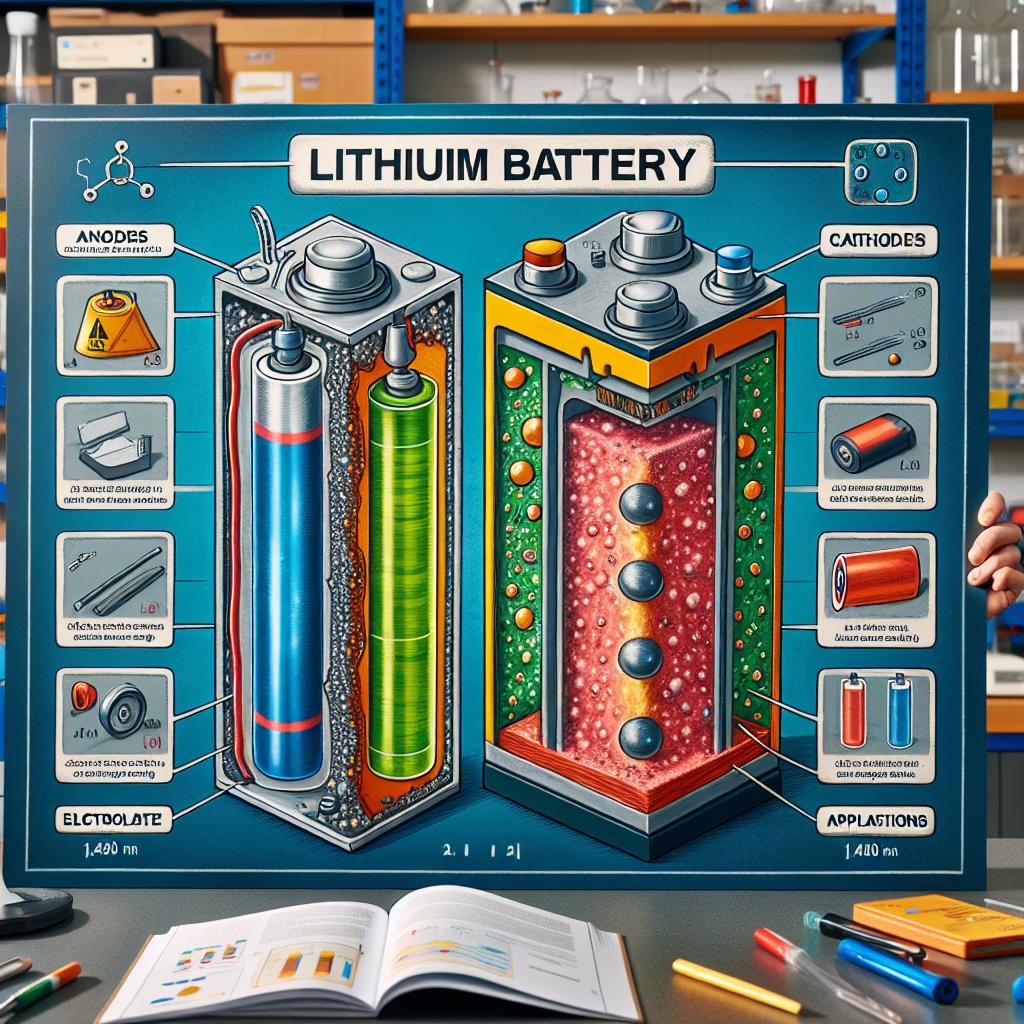
Contents
- Understanding Lithium and Lead Acid Batteries
- Advantages of Lithium Batteries in Golf Trolleys
- Why Choose Lead Acid Batteries for Golf
- Performance Comparison: Lithium vs Lead Acid
- Cost Considerations for Golf Battery Choices
- Lifespan and Durability of Battery Types
- Charging Efficiency of Lithium and Lead Acid
- Making the Right Choice for Your Golf Trolley
- Frequently asked questions
- What are the main differences between Lithium and Lead Acid batteries for golf trolleys?
- How does the performance of Lithium batteries compare to Lead Acid batteries on the golf course?
- What is the cost difference between Lithium and Lead Acid batteries for golf trolleys?
- Are there any environmental considerations when choosing between Lithium and Lead Acid batteries?
- Which type of battery is best suited for different types of golfers?
- How does the charging process differ between Lithium and Lead Acid batteries?
- To Wrap It Up
Understanding Lithium and Lead Acid Batteries
When considering options for your golf trolley, understanding the differences between lithium and lead acid batteries is crucial. Each type comes with its own strengths and weaknesses, impacting not only performance but also longevity, weight, and, yes, even your wallet. Lithium batteries are like the sprinters of the battery world—lightweight, quick to charge, and able to deliver power when you need it most. In contrast, lead acid batteries are akin to the reliable old workhorse, dependable but burdened by their weight and slower recharge times.
Key Differences
Here’s a brief rundown of what sets these batteries apart:
- Weight: Lithium batteries are significantly lighter, allowing your trolley to glide effortlessly across the course.
- Charging Time: Expect lithium to charge up quickly—sometimes within a couple of hours—while lead acid might take an entire day to reach full power.
- Cycle Life: Lithium batteries can typically last for over 2,000 charge cycles, compared to around 500 for lead acid, making them a long-term investment.
- Cost: While lithium batteries might hit your pocket harder upfront, they save you money in the long run due to their durability.
Performance Insights
Don’t forget about performance! Lithium batteries maintain consistent power even as they drain, while lead acid batteries gradually lose their punch, especially nearing the end of their charge. Picture this: if you’re on hole 18 and your battery is running low, you might find yourself taking a leisurely stroll instead of zooming to the finish line with lithium. Moreover, lithium batteries are designed to withstand high temperatures and harsh conditions, making them a great fit for year-round play.
As we advance in golf tech, ongoing research continues to explore better battery efficiencies. It’s an exciting time! Whether you stick with the tried-and-true lead acid or take the plunge into lithium, being informed will help you make the best choice for your golfing needs. Just remember to weigh the pros and cons according to your specific playing style and frequency—because, let’s face it, the last thing you want is a battery that runs out of juice in the middle of your favorite game!
Advantages of Lithium Batteries in Golf Trolleys
Lithium batteries have swiftly become the darling of the golf trolley world, and it’s not hard to see why. For starters, they are significantly lighter than their lead-acid counterparts. Picture this: lugging around a hefty lead-acid battery is like carrying around a sack full of potatoes—tiring and cumbersome. In contrast, lithium batteries offer a feather-like experience, making it easier to maneuver your trolley without feeling like you’re competing in a strongman competition.
Another immense benefit of lithium batteries is their incredible efficiency. This isn’t just about the weight; it also pertains to how much energy they deliver versus how much they consume. Lithium batteries can be discharged to a much lower level without fear of damaging them, unlike lead-acid batteries, which shy away from deep discharges. This means not only more rounds played on a single charge but a consistent performance throughout your day on the green.
Longevity and Durability
When you think of your investment in a golf trolley, longevity becomes a key player in the equation. Lithium batteries typically last longer, with many boasting a life expectancy of over 2,000 cycles compared to 500-800 cycles for lead-acid. It’s like having a trusty golf club that doesn’t just stay in your bag but performs well round after round, year after year. You can spend less time worrying about replacements and more time sharpening your swing.
Charging Convenience
Then, there’s the ease of charging. Lithium batteries charge much faster than lead-acid batteries—imagine getting your coffee in the time it takes to brew a whole pot. Many lithium options also come with built-in Battery Management Systems (BMS) to regulate charging, prevent overcharging, and extend the battery’s lifespan. So, you can plug in your battery, grab a snack, and be ready to hit the course again in no time.
the move to lithium batteries can be likened to upgrading from riding a bicycle to driving a sports car—smoother, faster, and a lot more rewarding. Whether you’re a seasoned player or a weekend warrior, incorporating lithium batteries into your golf trolley could elevate your game as much as practicing your putts.
Why Choose Lead Acid Batteries for Golf
When it comes to golf trolleys, opting for lead acid batteries can be a game changer for many players. While lithium batteries may seem like the sleek, modern choice, lead acid offers reliability that can’t be overlooked. They’re tried and tested, much like that old golf club you just can’t bring yourself to replace. If you’re looking for a power source that delivers steady performance and doesn’t break the bank, lead acid batteries might just be the ace up your sleeve.
Cost-Effectiveness
One of the biggest advantages of lead acid batteries is their cost. Let’s be honest, golf can be an expensive hobby. The initial price of a lead acid battery is significantly lower compared to lithium options. If you’re someone who hits the course every weekend or plays during the week, investing in a lead acid battery can save you plenty of green—pun intended!
Robust Performance
Another perk is their durability. Lead acid batteries are like the mossy old oak trees lining many fairways—they stand strong against the elements. They are less sensitive to temperature fluctuations, which means you won’t have to worry about your battery dying mid-round on a chilly morning or a scorching afternoon. Plus, they can deliver consistent power throughout your game, so you can focus on your swing instead of your power source.
Easy Maintenance
Maintenance is a breeze with lead acid batteries. Imagine changing your golf grip; it requires regular attention, but it’s pretty straightforward. Similarly, lead acid batteries require simple care, like keeping the terminals clean and ensuring they are charged correctly. If you’re someone who’s more focused on perfecting your putt than on intricate battery management, this simplicity can be a significant advantage. Just like knowing which club to use in each situation, familiarizing yourself with battery basics can enhance your overall golfing experience.
Performance Comparison: Lithium vs Lead Acid
When it comes to performance, the battle between lithium and lead-acid batteries is like comparing a sporty golf cart to a trusty old skateboard. Each has its merits, but they serve different purposes and excel in different ways. Let’s dive into how these two heavyweight contenders stack up against each other when it comes to powering golf trolleys.
One of the biggest advantages of lithium batteries is their lightweight nature. Imagine lugging around a heavy load when all you want is to enjoy a leisurely game of golf. Lithium batteries can weigh up to 50% less than lead-acid counterparts, making them easier to handle and transport. Pair that with longer life cycles—often 2,000+ charge cycles compared to lead-acid’s 500-800 cycles—and you’ve got a winner in the portability category. Plus, lithium batteries charge much faster, so you won’t be sitting around waiting to get back on the course.
Energy Delivery and Efficiency
Energy delivery is another critical consideration. Lithium batteries have a higher discharge rate, which means they can provide constant power over a longer duration. With a depth of discharge (DoD) of around 80% compared to lead-acid’s 50%, golfers can confidently complete multiple rounds without worrying about running low on juice. On the flip side, lead-acid batteries typically discharge more gradually, which might leave you in a precarious situation right when you’re about to sink that winning putt.
Cost and Long-Term Value
Now, let’s talk dollars and cents—always a hot topic! While the initial investment for lithium batteries can be significantly higher, many golfers find the long-term savings to be worth it. Their longer lifespan means you’ll spend less on replacements, plus the efficiency translates into lower energy costs. In contrast, lead-acid batteries might be easier to swallow at checkout, but you may end up shelling out more over time due to frequent replacements and performance-related issues.
Both battery types have their staunch supporters and skeptics. It’s essential to weigh the pros and cons based on your personal needs, playing frequency, and budget. That said, ongoing research continues to unveil newer technologies, so it might be worth keeping an eye on developments in battery performance. With all that said, whether you’re carrying a lightweight lithium battery or a classic lead-acid, the most important thing is getting out there and enjoying the game!
Cost Considerations for Golf Battery Choices
When it comes to selecting a battery for your golf trolley, cost considerations are not just a matter of immediate expenses but also long-term value. The initial price tag for lithium batteries typically sets them apart; they tend to be higher than lead-acid batteries. However, there’s a compelling argument for this higher upfront cost. Think of it as investing in a top-notch pair of golf clubs—initially steep, but you’ll reap the benefits in performance and longevity.
Key Cost Factors:
- Purchase Price:
Lead-acid batteries often run anywhere from $100 to $300, while lithium counterparts can delve into the $700 to $1,000 range. It’s an evident divide, but the higher cost of lithium covers several advantages that may save you money in the long run.
- Lifespan:
Don’t let the sticker shock blind you. While lead-acid batteries may last around 1-3 years, lithium batteries can last up to 10 years with proper care. Think about how many sets of lead-acid batteries you might have to buy over a decade!
- Maintenance and Efficiency:
Lithium batteries are typically maintenance-free and have a higher charge efficiency. This means you’ll spend less time worrying about them and might save a pretty penny on replacements. Conversely, lead-acid batteries often require more care and might not charge efficiently, leading to potential additional expenses over time.
Hidden Costs and Considerations
It’s essential to consider the hidden costs that may accompany your choice of battery. For instance, lead-acid batteries not only require regular maintenance and possible replacements but can also weigh you down—literally. If you’re carting around a heavy battery, it can impact your game. Imagine struggling to lug that weight as you make your way to the next hole!
In contrast, lithium batteries are lighter and more compact, which contributes to easier handling and enhanced trolley performance. Consider how all these factors affect your overall golf experience and budget in the long term. As the research evolves, new battery technologies might emerge, potentially offering better solutions at more reasonable prices, but for now, weighing the costs and benefits of today’s options is crucial before making your final choice. Keep your eyes peeled for promotions or sales; every little bit helps when you’re counting your greens!
Lifespan and Durability of Battery Types
The lifecycle of a battery significantly affects its overall cost-effectiveness and performance in applications like golf trolleys. Understanding how long different battery types last can save you both time and money in the long run. When we compare lithium and lead-acid batteries, the longevity of each type can be quite different.
Generally, lithium batteries boast a lifespan of around 10 to 15 years with proper care. They can withstand hundreds, if not thousands, of charge cycles, which means your trolley can go the distance without a hitch. Their high energy density allows them to hold more power in a smaller package, making them not only lightweight but also incredibly efficient. If you’re like me, always hauling a bit more than you planned (hello, extra snacks!), that efficiency is a blessing.
Conversely, lead-acid batteries traditionally have a shorter lifespan, typically ranging from 3 to 5 years. They are more susceptible to sulfation, which occurs when the battery is discharged too deeply or left uncharged for extended periods—a common pitfall for many trolleys. While they can be less expensive upfront, their shorter lifespan might surprise you when it’s time to replace them.
Comparison Table
| Battery Type | Lifespan | Charge Cycles | Weight |
|---|---|---|---|
| Lithium | 10-15 years | 2000-5000 | Lightweight |
| Lead Acid | 3-5 years | 300-800 | Heavy |
So, if you value longevity and high performance in your golf trolley, lithium may just win the day. However, if you’re on a budget and don’t mind a little extra weight for that classic, tried-and-true feel, lead-acid batteries might still hold appeal. Keep in mind that many factors can influence a battery’s lifespan, including temperature, usage patterns, and maintenance practices, so it’s essential to consider your specific needs and habits.
Charging Efficiency of Lithium and Lead Acid
Batteries are much like our beloved golf clubs—each has its pros and cons, but the right choice depends on how you swing. When it comes to charging efficiency, lithium and lead acid batteries are significant players in the game. The charging efficiency determines not just how quickly you can get back to your round of 18 holes, but also how effectively you utilize your energy.
Lithium batteries shine in this department with an impressive efficiency rate usually ranging from 90% to 95%. This means that when you plug in for a charge, most of the energy goes into storing that power, almost like stuffing your golf bag with the right clubs for a perfect shot. They’re lightweight and charge faster too—often in just a couple of hours—with minimal loss during the charging process.
On the other hand, lead acid batteries sag behind, with efficiencies typically hovering between 70% and 80%. You could liken them to that old driver you keep in the back of the garage: some days it performs, but other times it’s a struggle to get it to work right. Not only does this mean longer charging times—often a full night for a decent charge—but you’ll also find yourself topping them off more frequently. That’s not just about convenience; it can lead to a frustrating round when you’re stuck waiting for your battery to catch up.
Here’s a handy comparison to see the differences clearly:
| Feature | Lithium Batteries | Lead Acid Batteries |
|---|---|---|
| Charging Efficiency | 90% – 95% | 70% – 80% |
| Charging Time | 2-4 hours | 8-16 hours |
| Typical Lifespan | 5-10 years | 3-5 years |
Understanding these differences can really influence your choice, especially if you play frequently. There’s ongoing research experimenting with improvements in charging technologies for both types, which opens the door for exciting advancements and options. Remember, your choice may also depend on your energy needs, usage habits, and even, how many birdies you plan to score in a season!
Making the Right Choice for Your Golf Trolley
Choosing between lithium and lead-acid batteries for your golf trolley can feel a bit like picking between a shiny new driver and that trusty old putter you just can’t let go of. Each option has its pros and cons, and understanding them will help you make a decision that fits your golfing lifestyle, budget, and environmental considerations.
Performance Matters
When it comes to performance, lithium batteries often take the crown. They are lighter, providing better maneuverability on the course, and they tend to last much longer—up to five times more than their lead-acid counterparts. Picture this: you’re halfway through your round, and a lead-acid battery is gasping for juice like a marathon runner who skipped breakfast. On the flip side, lead-acid batteries are generally cheaper upfront but require more maintenance, like a picky cat that always demands attention. They can last through a day of golf, but don’t expect them to power your trolley for back-to-back rounds without a recharge.
Cost Considerations
Here’s where the plot thickens. Lithium batteries might make your wallet feel a pinch at the start, but their durability and efficiency can offer savings over time. Think of them as the investment-grade stocks of the battery world. Lead-acid batteries, conversely, are like your favorite fast food—cheap and easy to get, but you’ll be paying for it later in maintenance costs and replacements. To help you visualize the cost-effectiveness, consider the following table:
| Type | Upfront Cost | Life Span (Approx.) | Maintenance |
|---|---|---|---|
| Lithium | Higher | 5-10 years | Minimal |
| Lead Acid | Lower | 2-5 years | Higher |
There’s also the environmental angle to think about. Lithium batteries are lighter on the planet, being more energy-efficient and recyclable. Lead-acid batteries, while widely recycled, can leak harmful chemicals if not disposed of properly. It’s worth pondering how your choice might impact the course you love—or the parks you play in. Whichever path you choose, ensuring it aligns with your personal values will make the game all the more enjoyable.
Frequently asked questions
What are the main differences between Lithium and Lead Acid batteries for golf trolleys?
When comparing Lithium and Lead Acid batteries for golf trolleys, the most significant differences lie in their weight, energy density, and lifecycle. Lithium batteries are considerably lighter, often weighing 30-50% less than their Lead Acid counterparts. This reduction in weight is crucial for golfers who prefer easier maneuverability on the course. Additionally, Lithium batteries boast a higher energy density, which means they can store more power in a smaller size. For example, a typical Lithium battery rated at 12 volts may provide a capacity of up to 100Ah, while a Lead Acid battery of the same size would usually be heavier and less efficient.
Another crucial factor is the lifecycle of the batteries. Lithium batteries can last up to 2,000-5,000 cycles, compared to only about 300-800 cycles for Lead Acid batteries. This longevity translates into better value over time, despite the higher upfront cost of Lithium batteries. Golfers using Lithium batteries can expect to use their trolleys for several seasons without needing to replace the battery, while Lead Acid users may find themselves purchasing new batteries frequently.
How does the performance of Lithium batteries compare to Lead Acid batteries on the golf course?
The performance of Lithium batteries typically excels compared to Lead Acid batteries, especially in demanding situations. One of the standout features of Lithium batteries is their ability to maintain a consistent voltage output throughout their charge cycle. This means that golfers can enjoy peak performance from their trolleys without a noticeable drop in power as the battery drains. Conversely, Lead Acid batteries tend to experience a gradual decline in voltage, which can result in reduced functionality when the charge is low.
Furthermore, Lithium batteries charge faster, enabling quicker turnarounds between rounds of golf. A standard Lithium battery can achieve a full charge in around 2-4 hours, while a Lead Acid battery may require up to 8-12 hours. This speed means that golfers can spend more time on the course and less time waiting for their equipment to recharge, making Lithium an increasingly popular choice among players looking for efficiency and reliability.
What is the cost difference between Lithium and Lead Acid batteries for golf trolleys?
When considering cost, the initial investment for Lithium batteries is notably higher than for Lead Acid batteries. For instance, a good Lead Acid battery might range from $100 to $250, while a comparable Lithium battery can set you back anywhere from $500 to $800 or more. This price gap can make Lithium appear less attractive at first glance, especially for budget-conscious golfers.
However, it’s essential to factor in the total cost of ownership over time. With a far longer lifespan (2-5 times) and significantly lower maintenance requirements, Lithium batteries can prove much more economical in the long run. When considering the replacement costs, maintenance, and potential depreciation in performance, many golfers find that the extra investment in Lithium technologies pays off through extended use and less hassle.
Are there any environmental considerations when choosing between Lithium and Lead Acid batteries?
Environmental concerns are increasingly relevant in today’s decision-making, especially when it comes to battery technology. Lithium batteries are generally considered more environmentally friendly than Lead Acid batteries. This is partly because Lithium ion technology, when properly disposed of or recycled, has a lower risk of hazardous material leakage. In contrast, Lead Acid batteries contain harmful substances, including lead and sulfuric acid, which can pose significant environmental hazards if not disposed of correctly.
Furthermore, advancements in Lithium battery recycling processes are rapidly improving, facilitating better recovery rates of materials and reducing the overall carbon footprint associated with their production and end-of-life disposal. Golfers who choose Lithium batteries can contribute positively to sustainability efforts by supporting technologies that promote long-term ecological health, while Lead Acid batteries necessitate more scrutiny when it comes to their end-of-life management.
Which type of battery is best suited for different types of golfers?
The best choice of battery often hinges on individual golfer needs and preferences. For avid golfers who frequent the course multiple times a week—especially those conscious of performance and weight—Lithium batteries are typically the go-to option. The lighter weight and superior lifespan offer these players the convenience and reliability they seek during regular play.
On the other hand, casual or occasional golfers may find Lead Acid batteries more suitable due to their lower upfront costs. If a golfer only uses their trolley a few times a year, the higher initial expense of a Lithium battery may not justify the long-term benefits they provide. Ultimately, golfers should consider their playing frequency, budget, and willingness to invest in a long-term solution when making their decision.
How does the charging process differ between Lithium and Lead Acid batteries?
The charging process for Lithium and Lead Acid batteries presents several key differences that can influence user experience. Lithium batteries allow for faster charging, typically needing only 2-4 hours to reach full capacity. They are also less finicky about the charging conditions; golfers can recharge them at any point without risking damage. This flexibility means that if a golfer finds themselves with a low charge, they can plug in and recharge without having to wait until the battery is completely drained.
In comparison, Lead Acid batteries are more sensitive and can suffer from what is known as the “memory effect.” This means that consistently charging them before they reach a critical low can reduce their overall capacity over time. Additionally, Lead Acid batteries generally require longer charging times, allowing for less flexibility in usage. Understanding these differences can help golfers optimize their battery management and avoid unnecessary issues on the course.
To Wrap It Up
the “Lithium vs Lead Acid Batteries Golf Trolley: Power Showdown” has revealed that while both battery types have their merits on the course, lithium batteries emerge as the clear frontrunner for golfers seeking efficiency, longevity, and lightweight convenience. With advancements in technology, the shift towards lithium is not just a trend; it’s a game-changer for avid players wanting to enhance their performance without the weight of antiquated options holding them back. Remember, a well-powered trolley sets the stage for a great day on the greens—so choose wisely, charge confidently, and let every hole be a hole-in-one. After all, who wouldn’t want to power through their golf game while leaving lead (and lead acid) in the dust? Grab your golf trolley and tee off with the best—your game deserves it!
Získejte naše nejnovější články, návody a tipy přednostně ve vyhledávání Google a v AI přehledech.


 "I DROPPED 8 STROKES IN 3 WEEKS!"