

Are you ready to elevate your golf game and unleash your full potential on the course? Look no further than our comprehensive Callaway Shaft Guide: Unlock Your Perfect Swing. In the world of golf, the right shaft can be the game-changer you’ve been searching for, transforming every swing into a powerful statement of skill and precision. Join us as we delve into the intricacies of Callaway shafts, helping you find the ideal fit that not only enhances your performance but also matches your unique style. Let’s tee off your journey to a better swing!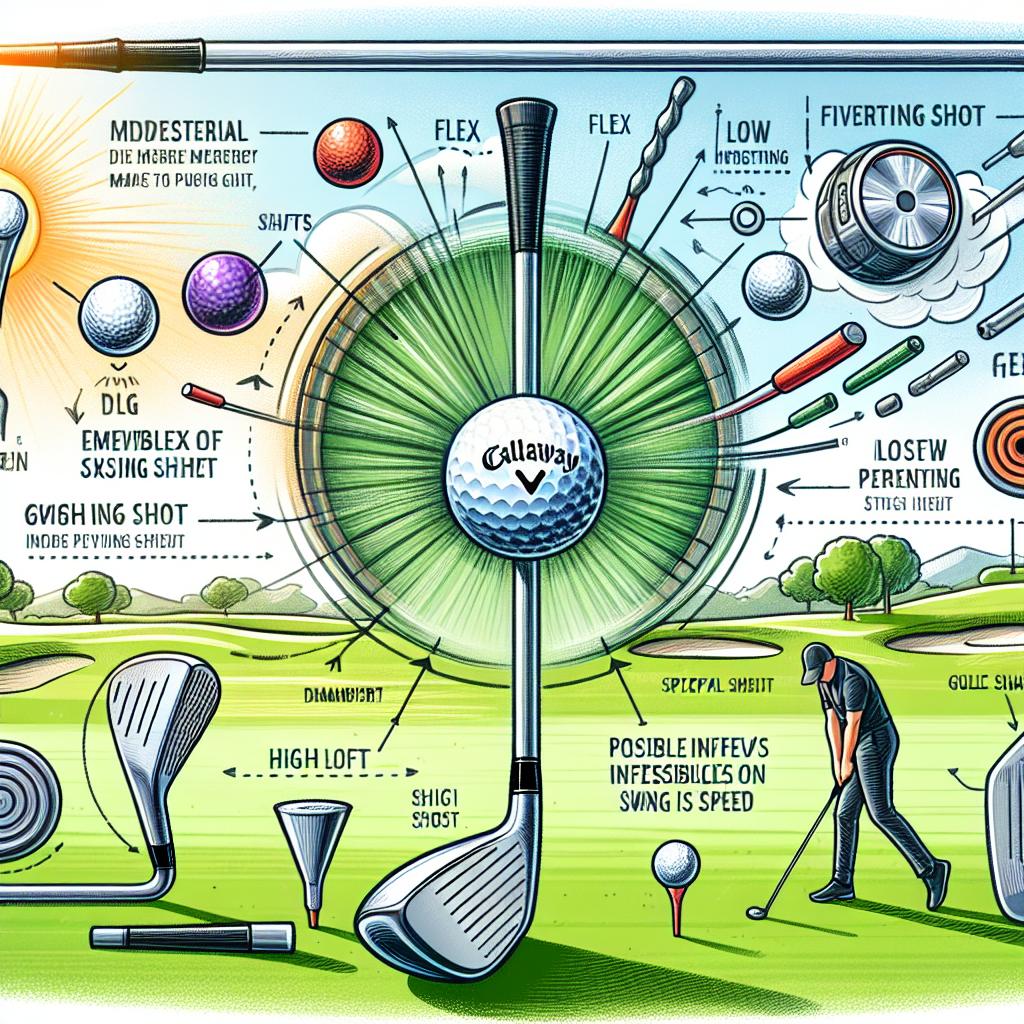
Contents
- Understanding Callaway Shafts for Your Game
- Choosing the Right Flex for Performance
- Exploring Shaft Material Benefits and Drawbacks
- How Shaft Length Affects Your Swing
- Finding the Perfect Torque for Control
- Matching Your Swing Speed with Callaway Shafts
- Adjusting Launch Angle with Shaft Selection
- Enhancing Accuracy Through Proper Fitting
- Frequently Asked Questions
- What is the importance of choosing the right shaft for my Callaway clubs?
- How do I determine my swing speed for selecting a Callaway shaft?
- What are the different shaft flex options available for Callaway clubs?
- What role does shaft material play in the performance of Callaway clubs?
- Can custom fitting enhance my performance with Callaway shafts?
- How can I care for my Callaway shafts to ensure longevity?
- To Wrap It Up
Understanding Callaway Shafts for Your Game
Choosing the right shaft for your Callaway clubs can feel like searching for a needle in a haystack, or maybe more like finding the perfect burger in a city full of great diners. Get it right, and you’re on your way to sweet swings and lower scores. Get it wrong, though, and you might end up with a slice sharper than your uncle’s wit during the family barbecue. Callaway shafts come in various materials, flexes, and lengths, all tailored to enhance your game. It’s crucial not just to pick a shaft based on what looks cool—let’s face it, we all want to look like a pro—but on how it feels in your hands and its match with your swing style.
Types of Shafts
Callaway offers two primary types of shafts: graphite and steel. Each material has its own personality that can affect your shot in unique ways:
- Graphite Shafts: These are lightweight and great for generating speed, making them a favorite among beginners and players looking to add distance. Plus, let’s be honest, they just look cooler, gliding like a swan across the fairway.
- Steel Shafts: On the other hand, these provide stability and control, which can enhance accuracy. If you’re a seasoned golfer who likes to shape shots like an artist with their brush, steel might be your go-to.
Understanding Flex
Next, don’t overlook the importance of shaft flex. Much like how a good chef knows that the right spice can elevate a dish, the correct flex can transform your game. Flex options range from ladies to extra stiff, matched to different swing speeds and tempos. Here’s a quick rundown:
| Flex Type | Recommended Swing Speed |
|---|---|
| Ladies | Under 70 mph |
| Regular | 70 – 85 mph |
| Stiff | 85 – 100 mph |
| Extra Stiff | Over 100 mph |
Finding the right flex can lead to a smoother, more efficient swing, just like the perfect pair of jeans can make you feel like a million bucks. Consider having a fitting session with a golf pro; they can provide insights that statistics alone just can’t offer. Remember, golf is as much about feel as it is about numbers, and choosing the right shaft can be the difference between a day spent in the sand and a round that makes you feel like a tour pro.
Choosing the Right Flex for Performance
Choosing the right flex for your golf shaft can feel like deciphering a secret code, one that can open the door to improved performance on the course. Think of it as picking the perfect recipe: get the ingredients just right, and you’re in for a treat. Get them wrong, and, well, you’ve got a disaster on your hands. The shaft’s flex can impact not only the distance you hit the ball but also the accuracy of your shots. Flex is essentially how much a shaft bends during your swing, and it varies from stiff for power hitters to softer for smoother swings.
Understanding Shaft Flex
Shaft flex is typically categorized into several types: L (Ladies), A (Amateur), R (Regular), S (Stiff), and X (Extra Stiff). Each option caters to different player characteristics. For example, if you’re a player with a slower swing speed, you might find that an A or L flex works wonders for your game, allowing for a higher launch angle and better distance. Meanwhile, faster players often lean towards a Stiff or Extra Stiff flex to maintain control and precision.
To help clarify your decision, consider the following factors when selecting the right flex:
- Swing Speed: Measure how fast you can swing a club to help determine which flex suits you.
- Ball Flight: Analyze your typical ball flight; higher trajectories may benefit from a softer flex.
- Strength and Timing: Your physical strength and swing timing can greatly influence your flex choice.
Testing and Adjustment
Don’t be afraid to experiment. Many golfers find that trying a few different options at a driving range can make a world of difference. Imagine being in a candy store; you’re unlikely to settle for just one flavor! Consult with a local pro or utilize fitting services if available; having someone who can assess your swing mechanics and suggest the ideal flex can be incredibly helpful.
Consider this table as a quick reference for the general guidelines matching swing speed and flex:
| Swing Speed (mph) | Recommended Flex |
|---|---|
| Under 75 | L or A |
| 75-90 | R |
| 90-105 | S |
| Over 105 | X |
As with most things in golf, there’s no one-size-fits-all solution. The quest for the perfect flex is part of the journey—an ongoing exploration similar to finding that elusive hole-in-one. Keep an open mind and enjoy every swing!
Exploring Shaft Material Benefits and Drawbacks
When it comes to choosing the right shaft for your golf club, the material can play a critical role in your performance on the course. Two of the most commonly used materials are graphite and steel, each offering distinct benefits and drawbacks. Understanding these can be like finding the perfect pepperoni level on your pizza; too much or too little can lead to an unsatisfactory experience!
Graphite shafts are generally lighter than their steel counterparts, which can translate into increased swing speed and greater distance. They’re also known for their ability to absorb vibration, resulting in a smoother feel at impact. This can be particularly beneficial for players with slower swing speeds or those who suffer from joint discomfort. However, graphite can also be more prone to damage from impact or excessive bending, making durability a concern for some golfers. Additionally, they can be pricier, which might make you reconsider how many rounds you can afford after that ecstatic trip to the pro shop.
Steel Shafts: Strength and Stability
On the flip side, steel shafts are known for their durability and consistency. They provide a firmer feel, which many players prefer, especially those with a faster swing speed. This stability often translates into improved accuracy, as a steel shaft can offer better feedback on your swing mechanics. The trade-off? Steel shafts can be heavier, potentially leading to fatigue during those long rounds on the course. Plus, they don’t absorb vibration as well as graphite, which might leave some players feeling the impact a bit more than they’d like.
To make the decision a bit easier, here’s a quick comparison:
| Feature | Graphite | Steel |
|---|---|---|
| Weight | Light | Heavier |
| Vibration Absorption | High | Medium |
| Durability | Medium | High |
| Cost | Higher | Lower |
When weighing your options, consider your skill level, swing speed, and personal preferences. There’s ongoing research and innovation in shaft technology, so staying updated could help you make the best choice for your game. Don’t hesitate to test both types on the range; think of it as the ultimate taste test before committing to a full culinary experience!
How Shaft Length Affects Your Swing
Understanding how the length of a golf shaft impacts your swing is akin to figuring out the perfect pizza slice—too long or too short, and you just can’t get a decent bite! The shaft is the connection between you and the clubhead, influencing everything from your swing speed to the overall trajectory of the ball. When it comes to achieving an ideal swing, finding the right shaft length can make all the difference.
The Importance of Finding Your Fit
When the shaft length is perfectly matched to your height and swing style, you’ll notice a seamless flow in your swing. Here are some aspects to keep in mind:
- Control: A longer shaft can increase your swing radius, which might seem like a good idea—more leverage! However, it can also lead to a loss of control, resulting in a slice or hook.
- Consistency: Shorter shafts often promote more consistent swings. Think of it as picking a tight-fitting glove rather than a floppy one; you can always grip the club better!
- Speed vs. Accuracy: Longer shafts may offer increased clubhead speed, but at what cost? You might sacrifice accuracy. Like racing your buddy’s souped-up car on the highway, speed is thrilling until you miss a turn!
Testing Different Lengths
To find the shaft length that works for you, consider taking the time to test different options. Here’s a quick checklist to guide your experimenting:
- Grip Comfort: Hold various sizes and see what feels most natural in your hands.
- Swing Dynamics: Use a launch monitor to analyze the impact on your ball flight and distance.
- Practice Makes Perfect: Go to the driving range and spend time swinging clubs of various lengths to see which fits into your rhythm best.
Ultimately, while there’s no one-size-fits-all answer, knowing the impact of shaft length on your swing can lead to significant improvements. So, next time you’re out on the course, pay attention—your shaft choice might just unlock the perfect swing, one slice of pizza at a time!
Finding the Perfect Torque for Control
Finding the sweet spot when it comes to torque can feel like trying to find the perfect slice of pizza at a crowded food truck festival—everyone has their own opinions, and there’s a lot of trial and error involved! But unlike your favorite slice, setting the right torque for your golf swing can make all the difference in hitting those fairways and greens consistently.
Torque refers to the twisting force on your golf club shaft during your swing, and it varies significantly based on personal swing style, body type, and, of course, the shaft you’re using. Selecting the ideal torque is crucial because it impacts not just your swing speed, but also your control and feel. A shaft with too much torque can feel loose and unwieldy, while one that’s too stiff might limit your ability to release the club naturally. Think of it this way: too much torque is like trying to steer a boat in a stormy sea, whereas too little is more akin to steering a go-kart through a tight track—both can lead to less-than-ideal outcomes.
Considerations for Choosing Torque
When trying to find that perfect match, consider a few key factors:
- Swing Speed: Faster swings often benefit from stiffer shafts with lower torque, which can harness energy without excessive twisting.
- Clubhead Speed: If you’re swinging at speed like a seasoned pro, a lower torque will likely enhance stability.
- Player Type: Think of your playing style. Are you a power hitter or more of a precision player? Each requires a slightly different approach to torque.
Ultimately, personal preferences play a significant role as well. If you feel more comfortable with a certain flex or torque profile, that confidence can translate into better performance on the course. It can be beneficial to get fitted by a professional who can tailor recommendations based on a swing analysis—similar to how a good tailor will ensure your suit fits like a glove! And remember, experimentation is key: don’t shy away from trying different shafts until you find the one that feels just right. The road to mastering your torque is much like mastering a golf swing; it takes patience, practice, and maybe the occasional slice of pizza.
keep in mind that research is ongoing in the world of golf shafts. New materials and designs emerge regularly, pushing the boundaries of how we think about torque and performance. So, stay curious! Whether you find yourself with a high-torque, soft-flex shaft or a low-torque, stiff option, it’s all about what feels best for you and your game.
Matching Your Swing Speed with Callaway Shafts
When it comes to golf, the right shaft can mean the difference between a swing that feels smooth and one that feels like you’re trying to nail jelly to a wall. Callaway’s variety of shafts are not just fancy sticks; they are engineered for performance based on your swing speed. By understanding how your swing speed interacts with the shaft, you can unlock the full potential of your game. For instance, a player with a slower swing speed might find success with a more flexible shaft, while a faster swing could call for a stiffer option to better manage energy transfer and improve accuracy.
Finding Your Fit
Here are a few tips to help you find the right Callaway shaft for your swing speed:
- Know Your Swing Speed: Use a launch monitor or visit a local pro shop to get measured. Understanding your swing speed will help you narrow down your options.
- Flexibility: As a rule of thumb, slower swing speeds (below 85 mph) typically benefit from regular or senior flex shafts. Meanwhile, faster swing speeds (above 100 mph) may need stiff or extra-stiff flex options.
- Testing is Key: Don’t shy away from experimenting. Trying out different shafts on the range can give you a real feel for what works best.
A Closer Look at Performance
Callaway shafts are designed not just to compliment your swing speed, but to enhance your overall performance. They come in a variety of weight and bend profiles, which can significantly affect your launch angle and spin rate. Here’s a quick overview of how different shaft characteristics can impact your game:
| Shaft Type | Recommended Swing Speed | Typical Results |
|---|---|---|
| Lightweight Regular | Below 85 mph | Higher launch, more distance |
| Mid-weight Stiff | 85-100 mph | Balanced launch, accurate control |
| Heavy Extra-Stiff | Above 100 mph | Lower launch, penetrating trajectory |
Ultimately, the goal is to find a shaft that feels like an extension of your arm. Many golfers mistakenly assume that a more expensive shaft automatically means better performance, but that’s not always the case. The best shaft for you depends on your individual swing characteristics, not just price tag or brand. So grab a club, hit the range, and have a little fun getting to know your swing! Remember, the journey to mastering golf is filled with adjustments and little victories, and finding the perfect shaft can be one of the most satisfying steps on this path.
Adjusting Launch Angle with Shaft Selection
To elevate your golf game, understanding how shaft selection can impact launch angle is crucial. Think of the golf shaft as the bridge between you and your swing. The right shaft can mean the difference between a soaring drive and a frustrating slice. When we talk about launch angle, we’re essentially discussing how high or low the ball takes off after impact, affecting its distance and trajectory. Selecting the proper shaft flex and material can drastically alter this.
Shafts come in various flexes: from extra stiff to regular, and everything in between. A stiffer shaft generally produces a lower launch angle, while a more flexible shaft often results in a higher launch. If you’re a player whose power lies in generating speed, a stiff shaft might keep you grounded, resulting in an impact that launches the ball on a flatter trajectory. Conversely, a player with a more leisurely swing speed might benefit from a more flexible shaft, allowing for a higher launch that can help maximize carry distance.
Factors to Consider
When selecting a shaft, consider these key factors:
- Swing Speed: Faster swings typically favor stiffer shafts.
- Launch Conditions: Your preferred trajectory may guide your selection.
- Strength of Materials: Materials like graphite can influence both feel and performance.
- Personal Preferences: A shaft’s overall feel during your swing can’t be overlooked!
Understanding these components may feel like decoding the Da Vinci Code at first, but once you grasp it, your game will start to transform—like having a magic wand instead of a driver. Many golfers experiment with different shafts to find that perfect match; it’s part science, part art. Additionally, stay informed about the latest advancements in shaft technology. The industry is continually innovating, and what worked last season may not be the best solution today. So, don’t hesitate to reach out to club fitters or local pros for advice and swing analysis tailored to your game. They can offer invaluable insights that catapult your accuracy and distance!
Enhancing Accuracy Through Proper Fitting
When it comes to golf, the tiniest details can make the largest impact on your game—much like how the right pair of shoes can enhance your comfort on a long hike. One of those crucial details is the fitting of your golf shaft. A perfectly fitted shaft aligns with your swing style, ensuring that every connection between club and ball is as responsive and accurate as a well-tuned instrument. Think of it as finding that sweet spot where your body and equipment dance together in harmony.
The Importance of Measurement
Proper fitting begins with precise measurements, which can seem overwhelming at first. But don’t fret! If you can measure how tall you are when you stand on your tiptoes, you can manage this. Here are a few things to consider during the fitting process:
- Length: The right shaft length should help you address the ball comfortably without straining.
- Flex: A shaft that’s too stiff will give you frustration, while one that’s too flexible might lead to a lack of control.
- Weight: Heavier isn’t always better; lighter shafts can increase your swing speed but may sacrifice stability.
How to Fine-Tune Your Experience
Think of a finely tuned golf shaft like a well-brewed cup of coffee—too strong, and it’ll leave you jittery; too weak, and you might not feel motivated at all. Take time to try a variety of options. Many golf shops offer demo days where you can sample different shafts on the driving range. Monitor how each one feels—does it bring a smile to your swing or a frown to your face? Here’s a small table to help you determine what type of shaft you might need based on your swing style:
| Swing Type | Recommended Shafts |
|---|---|
| Slow Swing Speed | Soft Flex, Lightweight |
| Medium Swing Speed | Regular Flex, Mid Weight |
| Fast Swing Speed | Stiff Flex, Heavyweight |
In essence, the right shaft fitting enhances the *accuracy* of your game, letting you focus on driving those birdies home rather than overthinking each swing. Research ongoing in the golf community continually reveals new ways customization can breed improvement. So don’t shy away from consulting a professional or utilizing technology like launch monitors. After all, achieving the perfect fit is part of the fun and can unlock a whole new level of performance on the course!
Frequently Asked Questions
“`html
What is the importance of choosing the right shaft for my Callaway clubs?
Choosing the right shaft for your Callaway clubs is critical for achieving your ideal swing and maximizing your performance on the course. The shaft acts as the bridge between your hands and the clubhead, influencing trajectory, distance, and accuracy. A shaft that complements your swing speed and style can enhance your consistency, while a poorly matched shaft might lead to unwanted results.
For example, if you have a fast swing speed and opt for a flexible shaft, you might experience a loss of control, causing your shots to deviate from their intended target. Conversely, a stiff shaft may prove difficult to handle for a beginner with a slower swing. According to a study by Golf Research, about 80% of golfers do not have their clubs fit properly, leading to underperformance and frustration.
How do I determine my swing speed for selecting a Callaway shaft?
Determining your swing speed is essential when selecting the right Callaway shaft. Swing speed is typically measured in miles per hour (mph) and can vary based on factors such as your technique, strength, and what club you are using. To find your swing speed, you can visit a local golf pro shop or facility equipped with a launch monitor, or even take part in demo days hosted by Callaway.
Another simple way to gauge your swing speed is to perform a self-test using a radar device, which can also be purchased for home use. A helpful tip is to take several swings with your driver, which usually registers the highest swing speed. Keep in mind that an average male golfer swings a driver at around 90 mph, while a female golfer typically swings closer to 70-75 mph.
What are the different shaft flex options available for Callaway clubs?
Callaway offers a variety of shaft flex options to accommodate different swing speeds and player preferences. The main categories of shaft flex are:
- Extra Stiff (X): Best for players with a very fast swing speed (>105 mph), providing maximum control.
- Stiff (S): Suitable for players with a fast swing speed (95-105 mph), balancing control and distance.
- Regular (R): Ideal for average swing speeds (85-95 mph), offering good flexibility while maintaining accuracy.
- Seniors (A)/Ladies (L): Appropriate for slower swing speeds (<85 mph), designed for easier launching of the ball.
The selection of the correct flex is vital as it influences the performance and feel of your shots. A shaft that is too stiff may cause high trajectory and hooks, while one that is too flexible could lead to low trajectory and slices. Thus, understanding your swing characteristics and preferences is key to choosing the right shaft flex.
What role does shaft material play in the performance of Callaway clubs?
The material of the shaft significantly impacts the performance of your Callaway clubs. Common materials include graphite and steel, each with distinct characteristics. Graphite shafts are lightweight, enabling faster swing speeds and more distance. They’re particularly beneficial for senior players or those with slower swing speeds, as they allow for an increased clubhead speed without requiring excessive effort.
On the other hand, steel shafts offer greater durability and a lower torque, resulting in improved control and accuracy. They are typically preferred by players who maintain a consistent swing speed and prioritize precision over distance. Research indicates that golfers using steel shafts often experience superior performance on precise, controlled shots.
Can custom fitting enhance my performance with Callaway shafts?
Absolutely! Custom fitting can dramatically enhance your performance with Callaway shafts. During a fitting session, a professional will assess various parameters such as your swing speed, launch angle, and ball trajectory. This comprehensive analysis enables them to recommend the best shaft length, flex, and type, tailored specifically to your needs.
Many golfers may feel hesitant to invest in a custom fitting, but the benefits often outweigh the costs. Enhanced accuracy and consistency resulting from a proper fit can lead to significant improvements in your game—some players report an increase of 10-20 yards in distance and more accurate shot placement after proper fitting. Ultimately, a custom-fitted shaft can unlock your potential and provide a more enjoyable golfing experience.
How can I care for my Callaway shafts to ensure longevity?
Caring for your Callaway shafts is essential for maintaining their performance and ensuring they last through countless rounds. Start by regularly inspecting the shafts for any signs of wear or damage, including scratches, dents, or frayed grips. If you notice any significant blemishes, it might be time to consider a replacement.
Cleaning your shafts after each round can also prolong their life. Use a damp cloth to wipe down the shafts, especially when you’ve played in wet or muddy conditions. Additionally, make sure to store your clubs in a cool, dry place to avoid damage from extreme temperatures and humidity. Following these simple routines can keep your Callaway shafts in excellent condition, making your rounds more enjoyable.
“`
To Wrap It Up
Callaway Shaft Guide: Unlock Your Perfect Swing
As we wrap up this comprehensive exploration of the Callaway Shaft Guide, it’s clear that the right shaft can be the secret ingredient to unlocking your perfect swing. Whether you’re driving off the tee or sinking that birdie putt, the right equipment can make all the difference. Remember, golf is as much about mastering the mechanics as it is about finding your groove— and your shaft is the unsung hero in this equation.
So, the next time you step onto the course, don’t just show up with any old club; equip yourself strategically with the knowledge from this guide. After all, a good swing doesn’t just happen—it’s engineered! And if choosing the right shaft feels overwhelming, just think of it like picking the perfect pizza topping: with the right choice, you’re bound to hit a hole-in-one.
Let this guide serve as your trusty caddy as you navigate the world of Callaway shafts. Now go forth and swing with confidence—your best game is just a shaft away!
Get our latest guides, news, and insights highlighted in your Google Search & AI Overviews.


 LIMITED-TIME OFFER: