

When exploring the world of golf clubs, the question often arises: “Are Mizuno Hot Metal Irons Forged?” as enthusiasts seek clarity behind the technology fueling their performance. Known for their commitment to precision and quality, Mizuno has a storied reputation that sparks curiosity about the construction methods of their acclaimed Hot Metal Irons. In this article, we’ll dive deep into the truth behind the technology, unraveling the secrets of these clubs and what makes them a favorite among golfers. Get ready to enhance your understanding of these impressive irons and discover how they can elevate your game.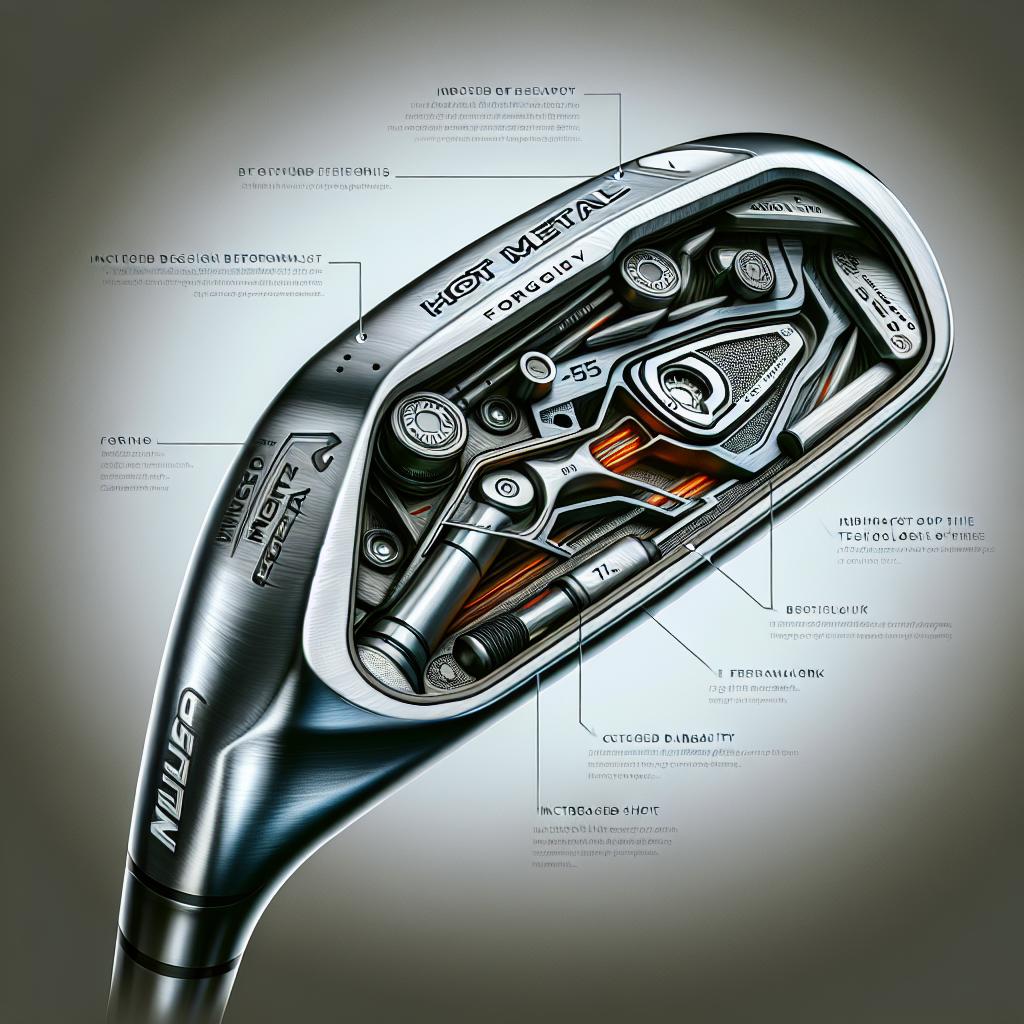
Contents
- Are Mizuno Hot Metal Irons Forged Technology Explained
- Unraveling the Forging Process of Mizuno Irons
- Understanding Hot Metal Technology in Golf Clubs
- Comparing Forged and Cast Irons: What Matters
- The Performance Benefits of Mizuno Hot Metal Irons
- Real User Experiences with Mizuno Hot Metal Irons
- Expert Insights on Mizuno Iron Construction
- Choosing the Right Irons for Your Game
- FAQ
- Final Thoughts
Are Mizuno Hot Metal Irons Forged Technology Explained
Mizuno’s Hot Metal Irons are a fascinating blend of modern technology and traditional golf club craftsmanship. While many golfers are familiar with the term “forged”—often equating it with feel and performance—Mizuno has innovated a unique approach that goes beyond the classic forged iron definition. These irons are made through a process known as Chromoly steel casting, which allows them to achieve a high level of performance and playability that rivals forged clubs.
The Science Behind the Hot Metal Design
At the heart of the Hot Metal technology is chromoly steel, a material that offers increased strength and flexibility compared to traditional iron. This allows for thinner faces, creating a larger sweet spot and improving ball speed. Imagine it like biting into a perfectly ripe fruit—sweet and flavorful right where you expect it! These irons also utilize a special thermal treatment that enhances the material’s durability while delivering a soft, responsive feel at impact, similar to the beloved feel of traditional forged models.
Additionally, the manufacturing process allows Mizuno to produce consistent quality and performance across each club. With this level of precision, golfers can expect similar results shot after shot, making each swing feel more reliable. Mizuno’s quest for perfection reflects their long history of innovation in the golf industry.
Advantages of Mizuno Hot Metal Technology
When considering the benefits of Mizuno’s Hot Metal Irons, several key points stand out:
- Enhanced Distance: The larger sweet spot and faster ball speeds allow for longer, more consistent shots.
- Game Improvement Features: The design is aimed at lower handicappers who still desire forgiveness in their short irons.
- Soft Feel: The combination of chromoly steel and thermal processing achieves a feedback and feel reminiscent of more traditional options.
| Feature | Forged Irons | Mizuno Hot Metal Irons |
|————————–|——————–|—————————|
| Construction Method | Handcrafted | Chromoly Steel Casting |
| Sweet Spot Size | Smaller | Larger |
| Distance Performance | Moderate | High |
| Feedback at Impact | Soft | Soft |
As golfers continue to explore what technology can do for their game, Mizuno’s Hot Metal Irons provide an interesting avenue to consider. While they may stray from traditional forged concepts, their potential to enhance performance is backed by research and innovation. This new wave of irons could be the bridge for players seeking both distance and feel, ensuring that the game remains accessible and enjoyable. Whether you’ve been swinging for years or just picking up the game, understanding these advancements is key to making informed choices on the course.
Unraveling the Forging Process of Mizuno Irons
When we talk about Mizuno irons, many golfers raise an eyebrow and ask, “Are these really forged, or is it just marketing fluff?” To put it plainly, Mizuno is renowned for its exceptional forging process, which involves shaping the clubhead by pressing or hammering the metal into shape under extreme pressure. This technique not only enhances the feel and performance of the club but also preserves the integrity of the material, allowing for tighter grain structures that translate into better feedback on impact.
What Makes Mizuno’s Forging Stand Out?
While many manufacturers tout the benefits of forged clubs, Mizuno sets itself apart with a method called Grain Flow Forging. This process creates a unique grain structure that follows the contours of the clubhead, almost like weaving a fine fabric. Here’s why it matters:
- Enhanced Feel: The consistent grain alignment results in better energy transfer, creating a soft yet responsive feel that many players crave.
- Control: The precise craftsmanship allows for better maneuverability, letting you shape shots with more accuracy.
- Durability: Forged clubs typically last longer due to the high-quality materials used and the method of construction.
The Debate: Forging vs. Casting
It’s also important to recognize the ongoing debate between forging and casting—a process where molten metal is poured into molds. Some golfers swear by the extra distance they get from cast clubs, noting that the thinner faces can launch the ball higher. However, others appreciate how forged clubs like Mizuno’s can offer feedback and a level of precision that cast clubs might lack. Each golfer has different preferences, and often, the decision comes down to personal feel rather than hard data.
In the world of golf equipment, the technology behind Mizuno irons continues to evolve, with rigorous testing and feedback loops. The latest innovations are often influenced by the needs and preferences of golfers on the course. So while Mizuno’s forging techniques have a proven track record, the quest for the perfect iron is as personal as the swing itself. Whether or not you turn up to the tee with a Mizuno iron, appreciating these nuances can help you make an informed choice for your game.
Understanding Hot Metal Technology in Golf Clubs
The evolution of golf equipment has made understanding technologies like Hot Metal essential for any golfer looking to elevate their game. Mizuno’s Hot Metal technology refers to the innovative use of materials designed to enhance both distance and feel in their irons. These clubs are crafted from a specific type of stainless steel that allows for increased ball speed while maintaining the soft, responsive feedback that Mizuno is known for. The real magic happens in how these materials are manipulated—thanks to advancements in manufacturing techniques, Mizuno can create thinner clubfaces that flex more at impact, catapulting the ball off the face like a launching pad.
What Makes Hot Metal Unique?
Before diving deeper, let’s break down a few key elements that make Hot Metal technology stand out:
- Material Composition: The use of 4135 Chromoly steel offers a unique balance of weight and strength, enabling engineers to create a more compact and reactive clubhead.
- Face Design: With a thinner face, Mizuno irons can achieve higher ball speeds, resulting in increased distance without sacrificing the sweet spot’s feel.
- Quality Control: Mizuno’s meticulous manufacturing process ensures consistency and performance in every club produced.
This advanced material allows for a complementary blend—hard enough to boost performance while soft enough to provide the desirable feel. If you’ve ever hit a well-placed shot with a buttery-smooth feel followed by a mind-blowing distance, you’ll understand just how transformative this technology can be. You might say it’s like finding the perfect blend of peanut butter and jelly; each ingredient alone is great, but together they create something spectacular.
The Forging Debate
Now, let’s tackle the elephant in the room: the question of whether Mizuno Hot Metal irons are forged. While many enthusiasts have debated the benefits of forged versus cast irons, Hot Metal technology utilizes a combination of both processes. The clubhead is efficiently cast, allowing for intricate designs that enhance performance, and then at times, the face may be forged for that beloved feel which many golfers can’t get enough of. It’s like cooking a gourmet meal where each step—just like each stage of manufacturing—is crucial for the final outcome.
While some traditionalists vehemently argue in favor of the dominance of forging for feel, it’s important to acknowledge that the innovations in casting can lead to incredible advancements too. Ultimately, the right choice varies based on personal preference, swing style, and specific playing conditions. A great way to explore this is by trying both styles at your local shop; you’ll be surprised what a little test run can reveal about your own preferences.
In the ever-evolving world of golf tech, Mizuno’s approach exemplifies the balance between tradition and innovation. Whether you are a recreational player or a seasoned pro, understanding the ins and outs of Hot Metal technology can empower you with better decision-making next time you’re ready to invest in your gear.
Comparing Forged and Cast Irons: What Matters
When it comes to golf clubs, especially irons, the material and manufacturing process can make a world of difference in performance and feel. Forged and cast irons are the two primary types. Forged irons are created by shaping a solid piece of metal, often resulting in a denser, more precise construction that many golfers prefer for its feedback and playability. In contrast, cast irons are formed by pouring liquid metal into molds, which allows for greater design flexibility and consistency but may lose some of the tuned feel that forged clubs are known for.
Characteristics of Forged Irons
- Feel: Forged irons generally provide a softer feel at impact. Many players describe this as more “buttery,” which can significantly enhance the playing experience.
- Performance: Because of their construction, forged irons often allow for more workability, giving skilled golfers the ability to shape shots according to their needs.
- Weight Distribution: The forging process enables manufacturers to create clubs with more precise weight distribution, contributing to better control and trajectory.
Characteristics of Cast Irons
- Durability: Cast irons tend to be more durable under rough conditions, making them suitable for beginner and recreational players who may not handle clubs with the same level of care.
- Cost-Effectiveness: Typically, cast irons are more affordable than their forged counterparts. For beginners, this can be a significant advantage when building up a golf bag without breaking the bank.
- Design Variety: The casting method allows for intricate designs and larger club heads, which can instill confidence in new players.
Key Comparisons
To provide a clearer picture, here’s a quick comparison in a table:
| Feature | Forged Irons | Cast Irons |
|---|---|---|
| Feel | Soft and responsive | Firm and controlled |
| Workability | High | Moderate |
| Durability | Less durable | High |
| Cost | Higher | Lower |
Ultimately, the choice between forged and cast irons boils down to personal preference and playing style. If you’re a player who enjoys fine-tuning your game and values the intricate feedback of forged designs, then those might be the way to go. On the other hand, if you’re just starting out or looking for something generous and forgiving, cast irons could serve you well on the course. The best decision often involves testing both types during a demo day or at a local pro shop to see which one resonates with your swing.
The Performance Benefits of Mizuno Hot Metal Irons
Mizuno Hot Metal Irons are designed with performance at their core, and the results are nothing short of impressive. Crafted from a unique blend of materials, these irons provide a balance of forgiveness and feel that can elevate any golfer’s game. Thanks to their innovative construction, players can expect remarkable distance, accuracy, and control. The combination of a strong face and a lightweight body helps to optimize energy transfer, translating to powerful ball flight and greater distance on every swing.
Key Performance Features
The following features highlight the performance advantages of Mizuno Hot Metal Irons:
- Stability and Forgiveness: The iron’s design includes a wide sole and a strategically placed center of gravity, which helps stabilize the club during impact. This means that off-center hits still find their target more often than not.
- Distance Mastery: Utilizing advanced materials like Chromoly steel, these irons are engineered to enhance ball speed, leading to longer shots. A little extra distance can change the dynamics of your game, making par 5s suddenly feel more reachable.
- Exceptional Feel: Mizuno is renowned for its focus on feel, and the Hot Metal series is no exception. The advanced manufacturing process minimizes vibrations on contact, giving players a soft, satisfying response that boosts confidence with every swing.
- Workability: While they are known for their forgiveness, these irons still cater to those looking to shape their shots. Whether you want to draw or fade the ball, the design allows for adaptability, making it easier to navigate various course conditions.
Exploring Player Feedback
User experiences further highlight the advantages of the Mizuno Hot Metal Irons. Many golfers rave about their ability to hit higher trajectories, lending well to playing in windy conditions. One golfer recounted a recent outing where they tackled a notoriously challenging par 3. “I stepped up, ball in hand, and thought, ‘It’s time to bring out my Hot Metals!’ The shot flew straight and high, landing softly on the green. It felt like magic!”
However, it’s important to recognize that every player is unique. While some may find these irons to be a game-changer, others might prefer the feel of traditional forged clubs. It all boils down to personal preference and the specific demands of your game. As with any equipment, testing for yourself is key.
Mizuno Hot Metal Irons deliver performance that blends technology with player-centric designs. They can complement a diverse range of skills and help elevate one’s performance on the course. Whether approaching a long par 5 or navigating tricky approach shots, the Hot Metal Irons are built to help you rise to the challenge.
Real User Experiences with Mizuno Hot Metal Irons
The Mizuno Hot Metal Irons have carved out a reputation for their distinctive performance and playability, drawing a diverse crowd of golfers eager to share their personal experiences. Many players note an immediate confidence boost upon swinging these clubs—like finally finding that perfect pair of shoes that fit like a glove. The combination of distance, accuracy, and control often leaves them singing praises, with one user marveling at how they managed to “hit the sweet spot consistently,” a feat they previously thought elusive.
Feedback from the Fairway
Interestingly, feedback tends to highlight a common theme: forgiveness. Many users have reported that the Hot Metal Irons excel in this department, especially when dealing with mishits. One enthusiastic golfer noted that even when they “slipped a bit,” the irons still kept the ball on line, which sounds like a godsend for those occasional off days on the course. The multi-material construction, designed to offer a blend of distance and feel, seems to resonate deeply with both beginners and seasoned players alike.
Performance Insights
Regarding feel, opinions vary. For some, the sound of the impact is music to the ears, while others perceive it as a little hollow. This difference might stem from personal preferences or swing styles. It’s akin to the difference between a crisp apple and a juicy peach—both delicious, but distinct in texture and taste. A few players have shared experiences of trying the STIHL Nationals next to the Mizuno models, finding the former lacked the same comforting feedback upon impact.
| Feature | User Feedback |
|---|---|
| Forgiveness | High praise; many mention improved accuracy. |
| Feel | Varies; some love the feedback, others prefer a fuller sound. |
| Distance | Players often report increased distance with less effort. |
Amid all the excitement, it’s worth noting that not everyone may find these irons to be the perfect fit. Some golfers might caution that the Hot Metal Irons tend to belong in the hands of players with a consistent swing, which might leave more novice golfers feeling a touch overwhelmed. That said, honing a consistent swing is like mastering a recipe—you might stumble a bit at first, but with practice, you can whip up magic on the green.
Expert Insights on Mizuno Iron Construction
Mizuno’s approach to iron construction combines art and science, creating clubs that resonate with both players and technology enthusiasts alike. Every Mizuno iron, including the renowned Hot Metal series, is crafted with precision and an eye for detail that underscores their commitment to quality. This line of irons distinguishes itself through a unique blend of materials and manufacturing processes. While forged irons often receive acclaim for their feel, Hot Metal Irons boast a different type of advancement—stainless steel manufacturing utilizing innovative casting techniques that achieve exceptional performance.
The Role of Mizuno’s “High Strength Steel”
At the heart of Mizuno’s Hot Metal technology is the use of high strength steel. This material enhances the performance characteristics of the irons, resulting in improved ball speed and distance without sacrificing feel or control. Here’s why it’s worth paying attention to:
- Enhanced Forgiveness: The design allows for a larger sweet spot, crucial for miss-hits. Imagine hitting a golf ball with the precision of a master chef slicing through a perfect piece of cake—delicious results even when the cut isn’t precise.
- Consistent Performance: This advancement means golfers can expect similar results on varying strikes, a feature often sought after by both amateur and seasoned players alike.
- Sleek Design: Mizuno has mastered the art of aesthetics in their irons, ensuring that even advanced technology maintains a beautiful profile. After all, who doesn’t want their clubs to look as good as they feel?
Understanding the Tech Behind the Feel
Mizuno’s dedication to developing technology doesn’t end at the materials. The Geometric Harmony of the Hot Metal design ensures that these clubs not only perform well but also feel incredible in your hands. By focusing on how the club interacts with the user, they’ve created a tool that responds like an extension of one’s own body. It’s a bit like finding that perfect pair of shoes that you can wear all day without discomfort.
Moreover, the sound and feedback from Mizuno irons are meticulously crafted for a sensational experience. There’s a certain satisfaction that comes from the ping of a well-struck shot, akin to the triumphant jingle of ice cream truck music on a hot summer day. Each element of their construction is designed to evoke that thrilling feedback, making it an ideal choice for the discerning golfer.
Thus, while the question of whether Mizuno Hot Metal irons are “forged” carries significant weight, it’s clear that the innovation behind their design and materials does not take a backseat. Instead, what Mizuno offers is an evolved grip on golfing technology that deserves appreciation, regardless of its classification.
Choosing the Right Irons for Your Game
When it comes to selecting the perfect set of irons for your game, the choices can feel overwhelming—much like trying to pick a favorite doughnut at your local bakery. Different brands offer various features and technologies, making it essential to find the right balance between performance and personal preference. Among these options, Mizuno’s Hot Metal Irons have garnered plenty of attention, and for good reason! Understanding how these clubs fit into your overall game can be the difference between consistent rounds and the sort of mishaps that lead to a round of golf you’d rather forget.
One of the critical factors when looking at irons is the material construction. Mizuno’s Hot Metal series is crafted from a high-strength Chromoly steel, which offers a softer feel than traditional forged irons while still providing plenty of forgiveness. The technology behind these irons helps players generate higher ball speeds without sacrificing trajectory control or shot shaping. Imagine hitting that perfect iron shot and watching the ball soar like a hawk in flight, only to land exactly where you intended. That’s the dream, right?
Key Features to Consider
When choosing your irons, consider these aspects:
- Feel: Try a few swings before making a decision. Some golfers prefer the soft feedback of forged clubs, while others appreciate the distance and forgiveness of cast designs like the Hot Metal series.
- Forgiveness: If you’re not hitting the sweet spot every time (and let’s be honest, who is?), you’ll want an iron that aids you in those off-center shots.
- Distance: Opting for a club that gives you the distance you crave while still allowing for control can help lower your scores.
- Trajectory: Some players want the ball to come down softly on the green; others might prefer a more penetrating flight for windy conditions.
Assessing Performance
| Feature | Mizuno Hot Metal Irons | Forged Irons |
|——————|————————–|—————–|
| Material | Chromoly Steel | Carbon Steel |
| Feel | Softer, more forgiving | Soft, responsive|
| Forgiveness | High | Moderate |
| Distance | Enhanced | Traditional |
| Weight | Lighter | Heavier |
Ultimately, choosing the right irons boils down to your unique game and style of play. Are you the type who thrives on precision and technical control? Or do you value a club that helps you correct those inevitable mishaps? Testing out Mizuno’s Hot Metal Irons at your local golf shop could provide clarity, and who knows—you might just find your new favorite tool for the course! So the next time you’re standing in front of those racks of clubs, think about what you really need in your bag, and go find the irons that can help you play your best.
FAQ
“`html
What are Mizuno Hot Metal Irons Made Of?
Mizuno Hot Metal Irons are engineered using a unique blend of materials designed for optimal performance on the golf course. The primary construction of these irons uses a stainless steel known as 4140 Chromoly, a material that is both lightweight and robust. This allows for excellent energy transfer at impact, providing golfers with enhanced distance and feel. The combination of steel properties gives the irons a higher strength-to-weight ratio, making them a popular choice among players seeking speed and forgiveness.
Beyond the materials, Mizuno employs advanced manufacturing techniques such as multi-thinning, which involves adjusting the thickness of the club faces to optimize flex and provide a responsive feel during swings. The use of this technology aims to maximize ball speed across a larger area of the face, producing consistent performance even on off-center hits.
Are Mizuno Hot Metal Irons Forged?
Despite what some might think, Mizuno Hot Metal Irons are not fully forged in the traditional sense. Instead, they undergo a unique manufacturing process known as metal injection molding (MIM), complemented by a specialized heat treatment. This means that while they offer some benefits of forging, such as improved feel and a premium performance, the irons themselves are more akin to cast irons that have been engineered for specific benefits.
This process allows Mizuno to create a design that incorporates the advantages of both forged and cast technologies, resulting in a club that can deliver the best features of each. The outcome is a golf iron that features a solid and responsive feel while maintaining higher levels of forgiveness, especially for mid to high handicappers who may need extra help with their ball striking.
What Are the Advantages of Mizuno Hot Metal Irons’ Design?
The design of Mizuno Hot Metal Irons brings several advantages that cater to a wide range of golfers. One of the main benefits is the increased forgiveness that these clubs provide. With a larger sweet spot and enhanced perimeter weighting, they allow players to achieve better results even when they don’t hit the ball directly in the center of the face. This aspect is particularly beneficial for amateur golfers, who may sometimes struggle with consistent contact.
Additionally, the club’s sleek design, coupled with advanced *aerodynamics*, reduces drag during the swing, potentially increasing clubhead speed and distance. Golfers have reported notable improvements in their game as these features all come together to boost confidence and help maximize performance both on the course and in various playing conditions.
How Does the Performance of Hot Metal Irons Compare to Forged Irons?
When comparing Mizuno Hot Metal Irons to traditional forged irons, there are some key performance distinctions to understand. Forged irons are known for their superior feel and ability to offer precise feedback upon impact, which is attractive to lower handicappers who prioritize shot shaping and control. However, they often sacrifice some forgiveness, especially for less experienced players.
Conversely, Mizuno Hot Metal Irons deliver a more forgiving design without losing the essential feedback that players appreciate. They allow for exceptional distance and accuracy, appealing to a broader skill set; whether a player is just starting or has more experience. Many golfers find that the Hot Metal design provides a balance that suits their needs perfectly, especially if they are transitioning from game improvement to better performance-oriented clubs.
Who Should Consider Using Mizuno Hot Metal Irons?
Golfers who should consider Mizuno Hot Metal Irons include a wide range of players — from beginners to mid-handicappers. Those just entering the game will benefit from the increased forgiveness and stability these clubs offer while still feeling a connection to the ball. The design actively reduces mishits, allowing newer players to build confidence in their shots.
Meanwhile, intermediate players looking to enhance their performance without sacrificing feel will find Mizuno Hot Metal Irons an excellent option. The technology embedded in these clubs caters to those who are beginning to shape their shots more deliberately but still need the assistance of forgiving equipment. Ultimately, the versatility of Mizuno Hot Metal Irons makes them an attractive option for a large segment of the golfing population.
Can Mizuno Hot Metal Irons Be Customized?
Mizuno is known for offering a variety of customization options for their clubs, including Hot Metal Irons. Golfers can choose various components to fit their preferences and playing style, such as shaft types, flexibility, and lie angles. This level of customization allows players to optimize their clubs to suit specific swing characteristics and preferences.
Additionally, Mizuno provides players with the ability to select grip sizes and materials, which can significantly impact comfort during play. This commitment to personalization ensures that every golfer can find a setup that maximizes their performance and enhances their enjoyment of the game. As testimonials and reviews from satisfied players show, custom-fitted Mizuno Hot Metal Irons can lead to tangible improvements in overall performance and shot consistency.
“`
Final Thoughts
if you’ve been wondering, “Are Mizuno Hot Metal Irons Forged? The Truth Behind the Technology,” we hope this exploration has cleared up some misconceptions. While they may not be traditional forged irons in the strictest sense, the advanced technologies and manufacturing processes that Mizuno employs still deliver remarkable performance and feel. So, whether you’re a seasoned pro or just getting started, these clubs could be an excellent addition to your bag. After all, who doesn’t want to elevate their game with a bit of engineering magic? Remember, the road to better golf is paved with informed choices—so swing by our blog again for more insights and tips. Happy golfing!
Get our latest guides, news, and insights highlighted in your Google Search & AI Overviews.


 "I DROPPED 8 STROKES IN 3 WEEKS!"